Detroit Jewish Wedding Ceremony
Detroit Jewish Wedding Ceremony
A traditional Jewish wedding is rich with history, symbolism, and meaningful customs that have been passed down through generations. Each ritual represents the love, commitment, and spiritual bond shared between the couple as they begin their life together.
Before the Wedding Ceremony
One cherished tradition is that the bride (kallah) and groom (chatan) do not see one another during the week leading up to their wedding. This time apart builds anticipation and allows each person to prepare spiritually and emotionally for marriage.
Before the ceremony begins, the bride and groom welcome their guests separately during a gathering known as Kabbalat Panim, which translates to “receiving guests.” This gives family and friends the opportunity to celebrate with each of them before they are united in marriage.
The Badeken
One of the most meaningful moments before the ceremony is the Badeken, or veiling of the bride. During this tradition, the groom gently places the veil over the bride’s face, symbolizing his promise to love, honor, protect, and care for her throughout their marriage. It also reflects the importance of valuing the bride for who she is rather than simply her outward appearance.
The Chuppah
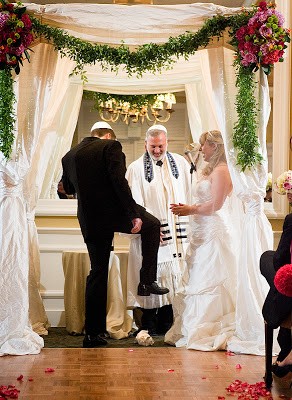
The wedding ceremony takes place beneath a chuppah, a beautifully decorated canopy that represents the home the couple will build together. Open on all four sides, the chuppah symbolizes hospitality, faith, and the welcoming home they will create as husband and wife.
Traditionally, the groom enters the chuppah first, followed by the bride. Each is escorted by their parents, highlighting the love and support of both families as they begin this new chapter.
Wine, the Ketubah, and the Seven Blessings
Two cups of wine are used during a Jewish wedding ceremony. The first accompanies the betrothal blessings and the sanctification of the marriage.
According to Jewish law, the marriage becomes official when the groom presents the bride with an item of value, most commonly a wedding ring.
The ketubah, or Jewish marriage contract, is then read aloud. This document outlines the groom’s responsibilities and commitments within the marriage and must be signed by two witnesses.
Following the reading of the ketubah, the Sheva Brachot, or Seven Blessings, are recited over the second cup of wine. These blessings celebrate love, joy, companionship, and the creation of a new family.
Breaking the Glass
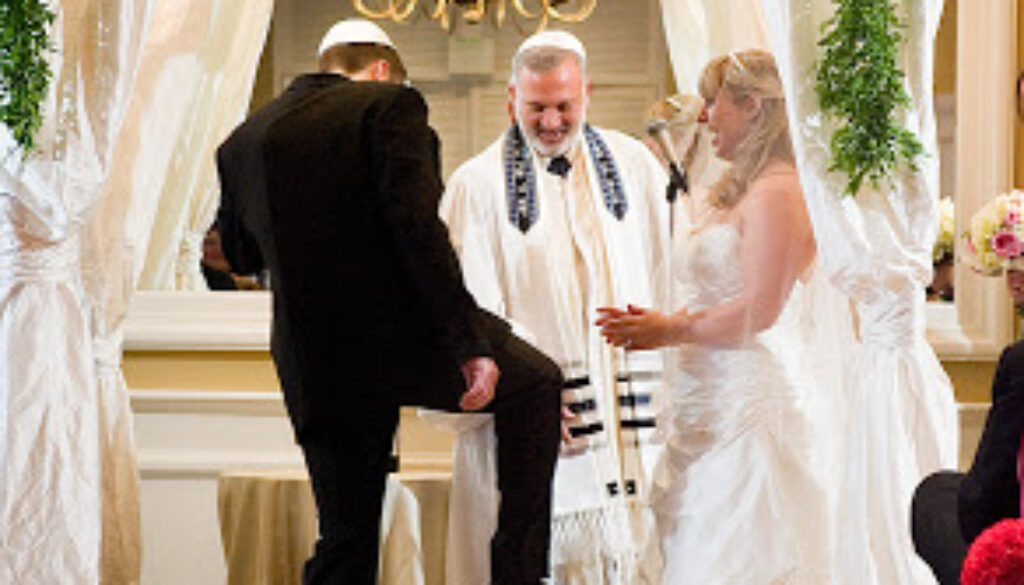
One of the most recognizable Jewish wedding traditions occurs at the conclusion of the ceremony. A glass is placed beneath the groom’s foot and ceremonially broken.
This symbolic act carries several meanings, including remembering the destruction of the Temple in Jerusalem and serving as a reminder that even during life’s happiest moments, we remember the past. As soon as the glass breaks, family and friends enthusiastically shout, “Mazel Tov!”, offering congratulations to the newly married couple.
Wedding Reception Traditions
After the ceremony, the bride and groom celebrate with family and friends at the reception. Following the wedding meal, the Birkat Hamazon (Grace After Meals) is recited, and the Sheva Brachot are repeated.
The celebration doesn’t end on the wedding day. During the week following the wedding, loved ones often host festive meals in honor of the newlyweds. This tradition, also known as the Week of Sheva Brachot, allows family and friends to continue celebrating the couple while the Seven Blessings are recited at each gathering.
A traditional Jewish wedding is a beautiful blend of faith, family, and timeless customs. Every ritual carries deep significance, creating a meaningful celebration that honors both the couple’s love and the rich heritage they share.